Services & Costs · Panel upgrades
Electrical Panel & Service Upgrades: 100 A → 200 A and 400 A
What separates a $1,500 panel swap from a $6,000 service upgrade and a $15,000 heavy-up — the code triggers, utility steps and timelines behind each, and how to tell which one you actually need.
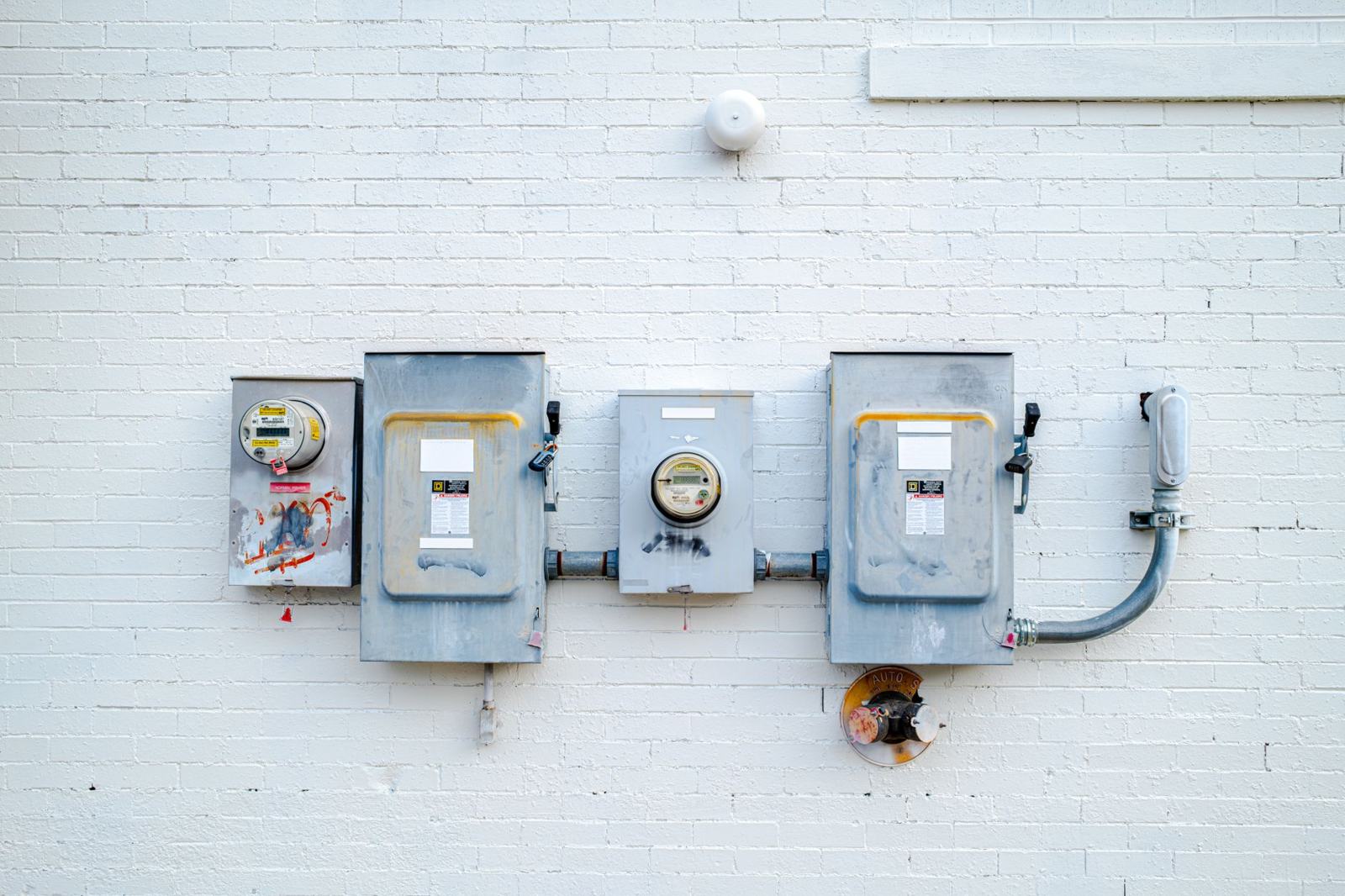
Three very different jobs share the name "panel upgrade"
When a contractor says "panel upgrade" they may mean a like-for-like breaker panel swap, a full service upgrade that changes everything from the weatherhead to the grounding electrode, or a 400 A split service that needs your utility to re-engineer the drop. The price difference between them is several thousand dollars, so pin down which one you are being quoted.
| Scope | What changes | Typical 2026 installed cost |
|---|---|---|
| Panel swap (service already 200 A) | Load center, breakers, main; meter base and riser stay | $1,500 – $3,500 |
| 100 A → 200 A service upgrade | Panel, meter base, riser or mast, service conductors, grounding, SPD, outdoor disconnect, permit | $2,500 – $6,000+ |
| 200 A → 400 A (Class 320) service | Meter base, dual 200 A panels, new service conductors, often a new lateral; utility engineering | $6,000 – $15,000+ |
| 400 A with trench + transformer work | All of the above plus trenching and a utility transformer or secondary upgrade | $20,000 – $25,000+ |
What drives the price of a 200 A service upgrade
- Meter base and riser. A 100 A meter socket cannot take a 200 A service. Overhead homes need a new mast and often a new weatherhead; the utility sets the clearance rules.
- Service conductors. Larger conductors from the meter to the panel. If your panel is far from the meter, the cost climbs per foot.
- Grounding and bonding. Two ground rods or a concrete-encased electrode, plus bonding of water and gas piping — older homes rarely meet today's NEC Article 250.
- Surge protection — NEC 230.67. Every new or replaced dwelling service must have a Type 1 or Type 2 surge protective device. Budget $150–$450.
- Outdoor emergency disconnect — NEC 230.85. One- and two-family dwellings need a readily accessible disconnect outside, so firefighters can kill power without entering. Often handled with a meter-main combination; $300–$900 if separate.
- AFCI / GFCI modernization. When circuits are extended or the panel is replaced, many AHJs require arc-fault and ground-fault protection on affected circuits. Combination AFCI breakers cost $40–$60 each versus $5–$10 for a standard breaker.
- Permit, inspection and utility disconnect / reconnect. $250–$800 in most jurisdictions; some utilities charge separately for the cut and reconnect.
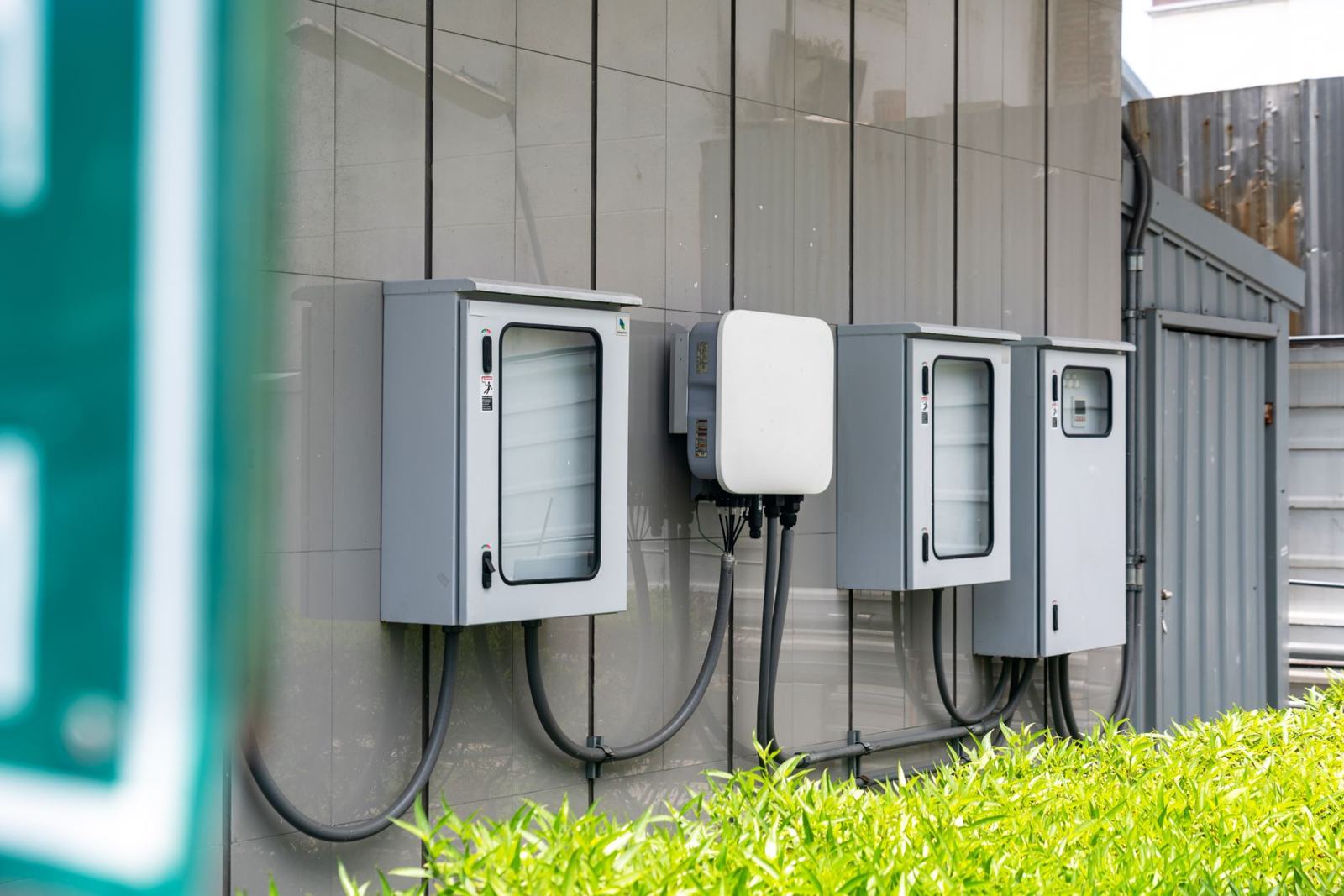
How long it takes
| Stage | Typical time |
|---|---|
| Load calculation and permit application | 1–5 business days |
| Utility coordination for a standard 200 A upgrade | 1–3 weeks to schedule the disconnect |
| Installation day (power off) | 6–10 hours, one day |
| Inspection and utility reconnect | Same day to 3 days |
| 400 A heavy-up with utility engineering | 2–8 weeks before work can start |
Underground services take longer: the utility may need to locate, design and in some cases replace the lateral, and trenching depends on weather and landscaping.
Do you actually need it?
Many 100 A homes do not need a bigger service — they need a load calculation. Under NEC 2026's 2 VA per square foot rule, a 2,000 sq ft gas-heated home with a 48 A EV charger often lands near 80–90 A. Add a heat pump and it tips over. The load calculator tells you which side of that line you are on, and whether an EVEMS-managed charger or a smart panel avoids the upgrade.
Signs the upgrade is not optional
- The panel is a Federal Pacific, Zinsco, Challenger or Pushmatic, or a fuse box (hazard panel guide).
- The calculated load exceeds the main breaker rating.
- No breaker spaces left and tandem breakers are not listed for the panel.
- Scorch marks, buzzing, warm breakers or corrosion at the meter base.
Questions to ask every bidder
- Is this a panel swap or a full service upgrade — does the meter base and riser change?
- Is the NEC 230.67 surge protector and 230.85 outdoor disconnect included?
- Which code edition does our AHJ enforce, and will you submit the load calculation with the permit?
- Who coordinates the utility disconnect, and are utility fees in your price?
- How many AFCI/GFCI breakers are included, and what does each additional one cost?
Get your upgrade scoped properly
Send your load sheet with panel brand, service entry and ZIP code. A licensed local master electrician confirms whether you need a swap, a 200 A service or a 400 A heavy-up.