Services & Costs · Electrification
Smart Electrical Panels vs. 400 A Underground Service Upgrades
Full electrification can push a home past 200 A. Before you trench, compare software load management with raw utility capacity — on cost, timeline and what your AHJ will accept.
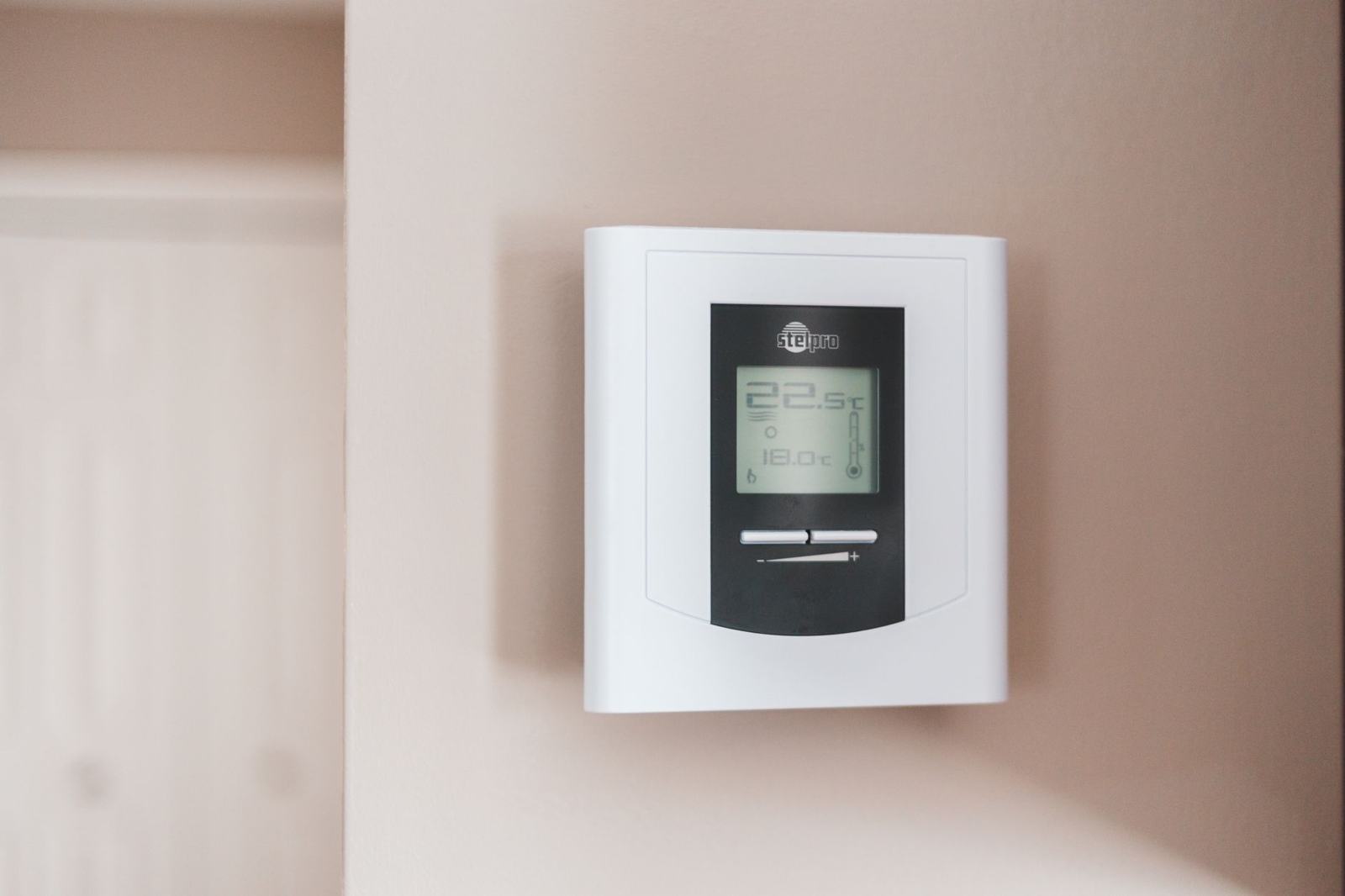
The full-electrification problem
Swap gas for electric — heat pump, induction range, heat pump water heater, one or two EVs, maybe solar and a battery — and the calculated load on a 2,500–3,500 sq ft home often lands between 180 and 260 A. Above 200 A, the traditional answer is a 400 A (Class 320) service. The newer answer is to stop the loads from all running at once.
What each path really costs
| Cost item | Smart panel on existing 200 A | 200 A → 400 A underground upgrade |
|---|---|---|
| Hardware | $2,550 – $4,100 | $3,500 – $8,000 (meter base, dual panels, conductors) |
| Labor & permits | $1,200 – $2,500 | included above |
| Trenching & conduit | — | $1,500 – $5,000+ ($4–$12/ft dig + $4–$8/ft conduit) |
| Utility engineering, lateral, transformer | — | $500 – $20,000+ |
| Typical total | $3,500 – $6,500 | $6,000 – $15,000+, past $20,000–$25,000 with a new transformer |
High-cost metros push a smart panel to $7,000–$8,000 installed. The 400 A figure is far less predictable: the utility fee is unknown until the utility does its design, and some utilities absorb transformer costs while others bill them in full.
How a smart panel keeps you on 200 A
A smart load center (SPAN is the best-known) replaces the main panel and puts a relay and meter on each circuit. Configured as a power control system, it holds total demand under a set limit by pausing deferrable loads — EV charging, water heating, pool pumps — when the essential ones peak. Because the limit is enforced by a listed system, the AHJ can accept a load calculation based on that limit instead of on every load at once.
- Circuit-level energy data and control from an app.
- Backup integration: pairs with home batteries to choose which circuits run in an outage.
- No utility re-engineering, no trench, usually a one-day install.
Decision matrix
| Your situation | Better fit |
|---|---|
| Calculated demand 200–260 A, mostly from deferrable loads (EVs, water heating, pool) | Smart panel |
| Underground service with a long lateral, landscaping, or driveway in the way | Smart panel |
| Utility quote for transformer or lateral above $5,000 | Smart panel |
| Large estate, workshop with welders or compressors, or simultaneous heavy loads that cannot wait | 400 A service |
| Calculated demand well above 260 A | 400 A service |
| AHJ or utility does not accept a managed load calculation | 400 A service |
| Planning solar beyond what the 200 A busbar allows under the 120% rule | Often 400 A, or a supply-side connection |
Get the utility's answer before you choose
Ask your utility for a service upgrade estimate (sometimes called a work order or design request) early. If they quote a transformer change, the smart-panel path usually wins by a wide margin. If the existing transformer already has capacity and the run is short and overhead, the gap narrows.
Model both options with your real loads
The load calculator shows a 400 A vs. smart panel comparison automatically when your calculated demand passes 200 A.